
Root Crop Guide
Growing Turmeric (ʻŌlena) in Hawaii
Wailupe Farms
Waimanalo, Oahu
Updated 2026
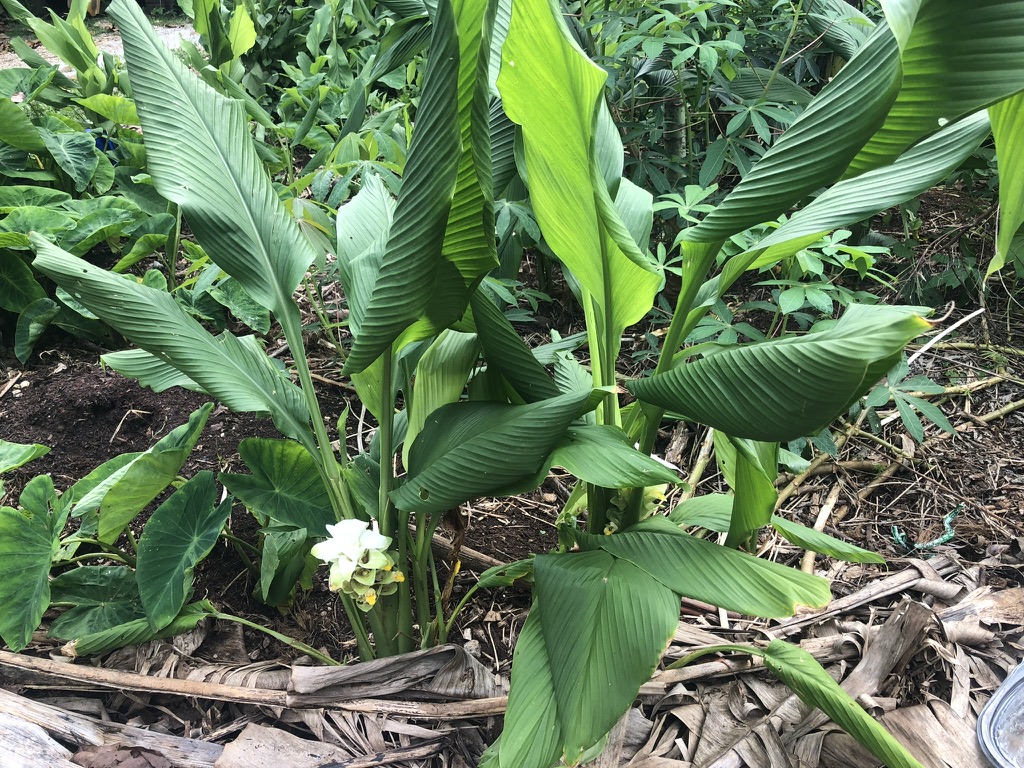
Turmeric — known as ʻōlena in Hawaiian — is one of the easiest crops to grow in Hawaii's tropical climate. The Islands' warm temperatures, rich volcanic soil, and year-round moisture make conditions almost ideal. Here's what we've learned growing it in Waimanalo.
Turmeric is native to South Asia and thrives in hot, humid tropical climates — which describes most of Hawaii year-round. Unlike on the mainland where it needs to be dug up and overwintered indoors, turmeric in Hawaii can essentially grow as a perennial if you leave some rhizomes in the ground after harvest.
In Waimanalo specifically, the windward side's regular rainfall and deep volcanic soil suit turmeric well. The main challenge here isn't climate — it's soil drainage. Turmeric needs moisture but will rot if waterlogged, so well-drained beds are essential on our wetter side of the island.
In Hawaii, you can plant turmeric almost any time of year. That said, we prefer to plant at the start of the wetter season (around October–November on the windward side) so the plants get consistent moisture during establishment. For drier areas like the leeward coast, March–May works well — rainfall picks up just enough to reduce irrigation needs.
Buy fresh turmeric from a local farm stand, farmers market, or trusted nursery — not grocery store turmeric, which is often treated with growth inhibitors. Each "finger" of rhizome with at least one bud node will produce a plant. Bigger rhizome pieces produce stronger plants faster.
Turmeric prefers rich, loamy, well-drained soil with a pH of 5.5–7.0. Hawaii's volcanic soils tend toward the acidic side — around 5.5–6.2 — which is right in range. If your soil is heavily compacted clay, amend with compost and coarse sand to improve drainage before planting.
Turmeric is a heavy feeder, especially for potassium and phosphorus (which support rhizome development). We use fish emulsion and compost tea through the growing season, applied monthly. Avoid high-nitrogen fertilizers after the first two months — too much nitrogen pushes lush leaf growth at the expense of rhizome size.
Turmeric needs consistent moisture — especially during the first few months and during dry spells. Inconsistent watering stunts rhizome development and causes uneven, knobby roots. On the windward side in Waimanalo, natural rainfall often carries us through most of the year. During dry stretches, water deeply 2–3 times per week.
Heavy mulching is the single best thing you can do for turmeric in Hawaii. 3–4 inches of wood chip mulch retains soil moisture, suppresses weeds, moderates soil temperature, and breaks down into organic matter over time.
The most common problem in Hawaii's wet conditions. Caused by Pythium and Fusarium fungal pathogens in poorly drained soil. Prevention: well-drained beds, avoid overwatering, don't plant in soil where rot has occurred previously.
The turmeric shoot borer (Conogethes punctiferalis) is present in Hawaii. Larvae bore into the pseudostem, causing the center shoot to wilt and die ("dead heart"). Look for entry holes with frass (sawdust-like debris). Remove and destroy affected stems. Neem oil applications at emergence can deter egg-laying adults.
More common in dry conditions or if plants are stressed. A strong jet of water knocks mites off. Neem oil or insecticidal soap work well if populations build.
Brown spots with yellow halos, caused by Taphrina maculans. Mostly cosmetic — rarely affects yield. Improve airflow between plants and avoid wetting foliage when watering.
Turmeric is ready to harvest when the leaves and stems begin to yellow and die back — typically 8–10 months after planting. Don't rush it. The longer the rhizomes stay in the ground (up to full die-back), the more curcumin content and the bigger the yield.
Dig carefully with a digging fork, starting 6–8 inches from the stem to avoid slicing through rhizomes. Lift the entire clump, shake off loose soil, and snap or cut rhizomes from the main stem. Leave some small rhizomes in the ground as seed stock for the next crop — turmeric is perennial in Hawaii if you let it be.
Unwashed fresh rhizomes store well at room temperature in a cool, dry spot for 1–2 weeks. Refrigerate for up to a month. Fresh turmeric has a brighter, more floral flavor than dried — it's excellent grated into smoothies, golden milk, marinades, and curries.
Wash, peel, and slice rhizomes thin (⅛ inch). Dry in a dehydrator at 95–115°F until completely hard and brittle (10–15 hours). Grind in a spice grinder or blender. Home-dried turmeric powder is significantly more potent than commercial — use about ⅔ of what a recipe calls for.
Wash, dry, and freeze whole rhizomes — no blanching needed. Grate directly from frozen into dishes. This is one of the easiest ways to preserve a large harvest without any processing.