
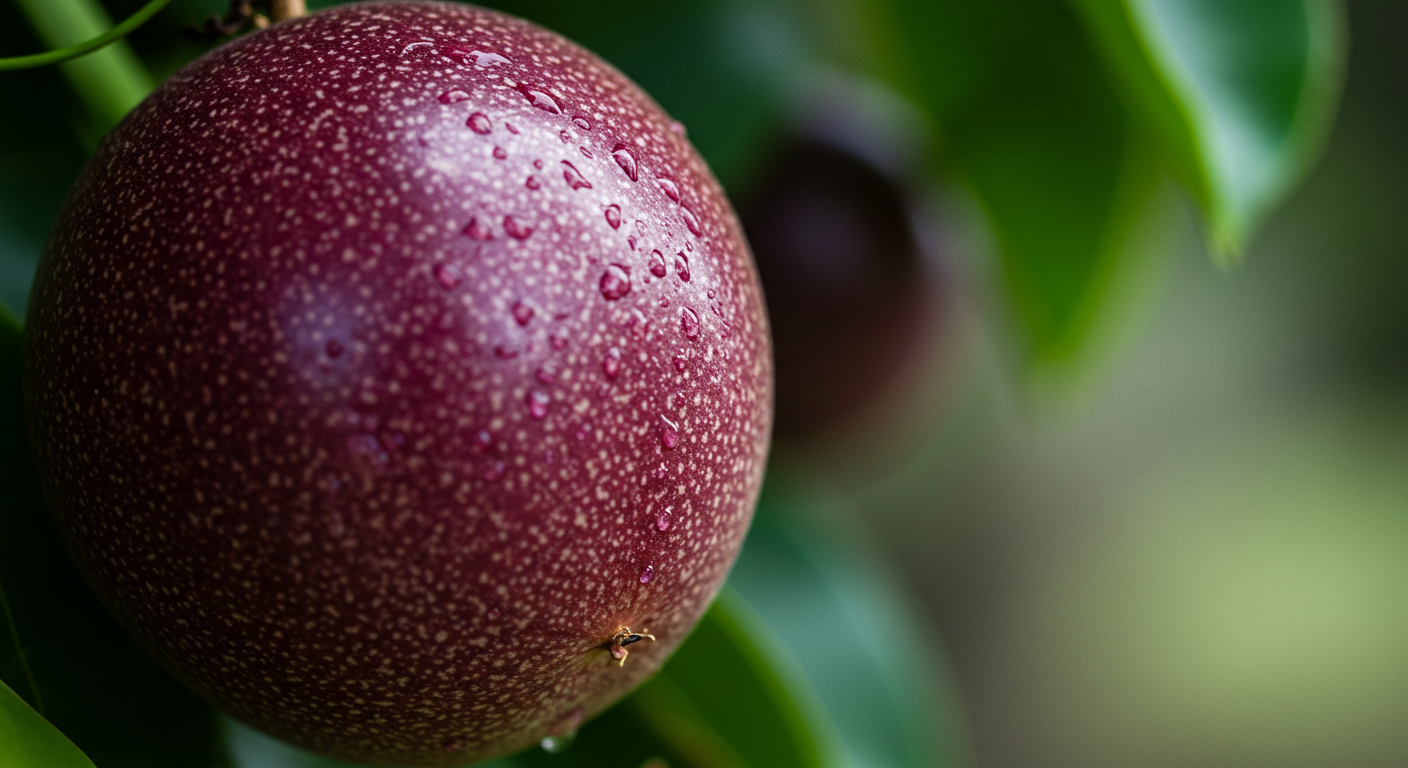
Lilikoi — Hawaiian passion fruit — is one of the most rewarding crops you can grow in Hawaiʻi. It thrives in our climate, produces abundantly once established, and the fruit practically sells itself. This is what we've learned growing it on 3.7 acres in Waimanalo.
1. Choosing Your Variety
Two varieties dominate in Hawaiʻi: Purple lilikoi (Passiflora edulis) and Yellow lilikoi (Passiflora edulis f. flavicarpa). We grow both. Purple is sweeter and slightly smaller. Yellow is more vigorous, more acidic, and what most people picture when they say "lilikoi juice."
Our recommendation
Start with yellow if you're growing for volume or juice. It's hardier, grows faster, and handles the heat of lower elevations well. Purple is better for eating fresh and sells well at farmers markets.
2. Soil Preparation
Lilikoi isn't fussy, but it won't thrive in waterlogged or compacted soil. Good drainage is non-negotiable. When we cleared invasive trees on this property, we chipped everything on-site and tilled it back into the ground — that organic matter transformed the soil over two seasons.
- Target pH: 6.5–7.5
- Amend with compost before planting — at least 4 inches worked in
- Raised beds or mounded rows help drainage in heavier clay soils
- Avoid areas where water pools after rain
3. Planting
Plant in spring or early summer when soil temps are warm and you have the whole growing season ahead. Space plants 10–15 feet apart — they spread aggressively and you'll want room for airflow.
- Dig a hole twice the width of the root ball, same depth
- Mix in compost at 1:1 ratio with native soil
- Set plant slightly above grade to encourage drainage
- Water thoroughly at planting, then every 2–3 days until established (first 4 weeks)
- Mulch around the base — keep mulch 2–3 inches away from the stem
4. Trellis & Structure
Lilikoi is a vigorous vine. Without a structure, it'll climb anything — fences, trees, your shed. Give it something intentional from the start. We use T-posts with three horizontal wire runs at 18", 36", and 54". Simple, cheap, durable.
Train the main stem up to the top wire, then let lateral shoots drape downward. This maximizes sun exposure and makes harvesting much easier — fruit hangs at accessible height.
5. Watering & Fertilizing
Once established (after the first 6–8 weeks), lilikoi is fairly drought tolerant. Overwatering is more common a mistake than underwatering in Hawaiʻi's climate.
Watering
- Deep, infrequent watering beats shallow daily watering
- Let the top inch of soil dry out between waterings
- Drip irrigation at the root zone is ideal
Fertilizing
- High nitrogen for the first 3 months (establish vine growth)
- Switch to a balanced or higher-potassium fertilizer once flowering begins
- Fish emulsion monthly works well for organic growers
- Avoid over-fertilizing nitrogen once fruiting — you'll get leaves, not fruit
6. Pest Management
The two biggest threats in Hawaiʻi: fruit fly and root rot (from Phytophthora). Both are manageable with good practices.
Fruit Fly (Bactrocera dorsalis)
The Oriental fruit fly will sting ripening fruit and ruin it fast. We use baited traps (methyl eugenol for male flies) across the property and harvest promptly when fruit is ripe. Don't let fruit sit on the vine once mature.
Root Rot
Prevention is everything here. Good drainage, no overwatering, no mulch against the stem. If you see yellowing leaves and the vine starts declining with no obvious pest cause, check the roots — look for dark, mushy tissue.
7. Harvesting
The easiest crop to know when to harvest: let it fall. Ripe lilikoi drops naturally. You can harvest slightly early (when fully colored but still on the vine), but fruit that drops on its own is at peak sweetness.
- Harvest daily or every other day during peak season
- Fruit stores at room temp for 1–2 weeks; refrigerate for up to a month
- Wrinkled skin = peak ripeness, not bad fruit (common misconception)
- Freeze juice immediately if you can't process it — it holds flavor extremely well
Grown right here in Waimanalo
We grow lilikoi on our farm and occasionally have fresh fruit, juice, and starts available. Follow along on Instagram or get in touch.